


Windshield damage rarely feels dramatic when it starts. It is usually quiet. A small tick sound while driving. A mark you notice later when the light hits just right. Most people shrug it off and move on. That is where trouble begins. Windshield damage does not stay still. It reacts to heat, movement, and time. Once drivers understand that, go here slips naturally into the thought process of taking care of the problem early instead of letting it grow.
Some damage looks harmless for weeks and then suddenly spreads across the glass in one cold morning. That surprise is what people remember, not the moment it actually started.
What typically cracks or chips your windshield
Most chips come from road debris. Small stones bounce up from tires, especially on highways. Even vehicles in front that look far away can cause impact at speed. Construction zones are another common source. Loose gravel sits quietly until traffic hits it.
Weather plays its part too. Rapid temperature change stresses glass. A hot windshield meeting cold air or water creates pressure inside the glass layers. Over time, that pressure finds weak spots and turns them into cracks.
Sometimes damage comes from inside the car. Slamming doors repeatedly creates vibration. It does not break glass instantly, but it encourages existing damage to grow.
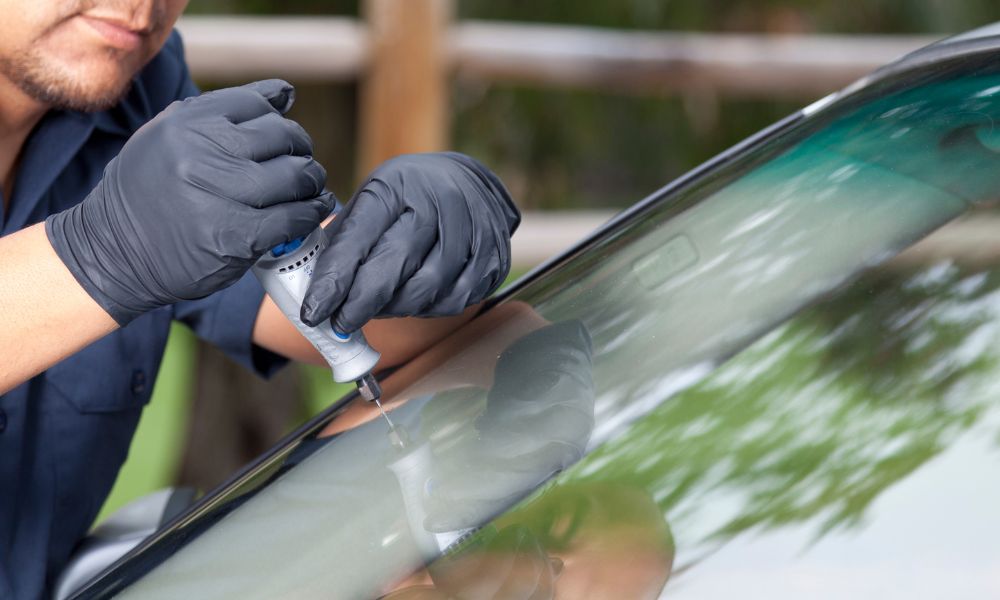
Quick fixes versus full replacement needs
Not every crack means replacement. Small chips away from the edges can often be repaired. Repair stops the spread and restores strength. Replacement becomes necessary when cracks block vision, reach the edges, or spread too far.
Timing decides everything. Early repair saves money and time. Waiting usually removes that option. Many people delay because the damage feels manageable. That delay is what changes the outcome.
Below is a simple comparison that helps drivers understand the difference.
| Damage Type | Typical Solution | Why Timing Matters |
| Small surface chip | Repair | Easy to seal before spreading |
| Long thin crack | Replacement | Weakens structure quickly |
| Edge damage | Replacement | Spreads faster than center damage |
| Star shaped impact | Repair if early | Dirt makes repair harder later |
This table keeps expectations realistic. It is not about guessing. It is about understanding how glass behaves.
Safety features and why they matter after repair
Modern windshields support airbags and assist systems. Improper repair or replacement affects more than visibility. Sensors and cameras rely on proper alignment. After replacement, calibration may be needed. Skipping that step creates safety risks that drivers cannot see.
Good work feels invisible. No rattles. No distortion. No wind noise. If something feels off, it probably is.
Your long term glass protection plan
Long term care is simple. Watch for early signs. Clean gently. Replace worn wipers. Avoid extreme temperature shock. Leave space behind trucks. These habits sound basic because they work.
Before moving ahead, it helps to pause for a second. Once people start taking glass care seriously, go here stops feeling like a quick reaction. It just becomes part of making sensible choices, the kind that fit naturally. Taking action early keeps repairs small, costs predictable, and driving stress low. Clear glass supports clear thinking, and that makes every drive feel easier.